Don and Carol of WEEDS: Vancouver’s Cannabis Pioneers
Article written by Vicky Chen and Jeff Curtis from Boro and Beyond Media.
The Story of Don and Carol: Then, Now, and What It Means Today
Long before cannabis was sold in sleek retail stores, regulated, taxed, and marketed nationwide, there were people who stood publicly for what they believed, not because it was safe, not because it was popular, but because they felt it was necessary.
Among them were Donald “Don” Briere and Carol Gwilt, two individuals whose lives became intertwined with one of the most controversial and transformative cultural shifts in modern Canadian history.
Their story is not simply about cannabis.
It is about conviction, visibility, risk, and resilience.
It is about standing in daylight when others preferred shadows.
Before Legalization Was a Word
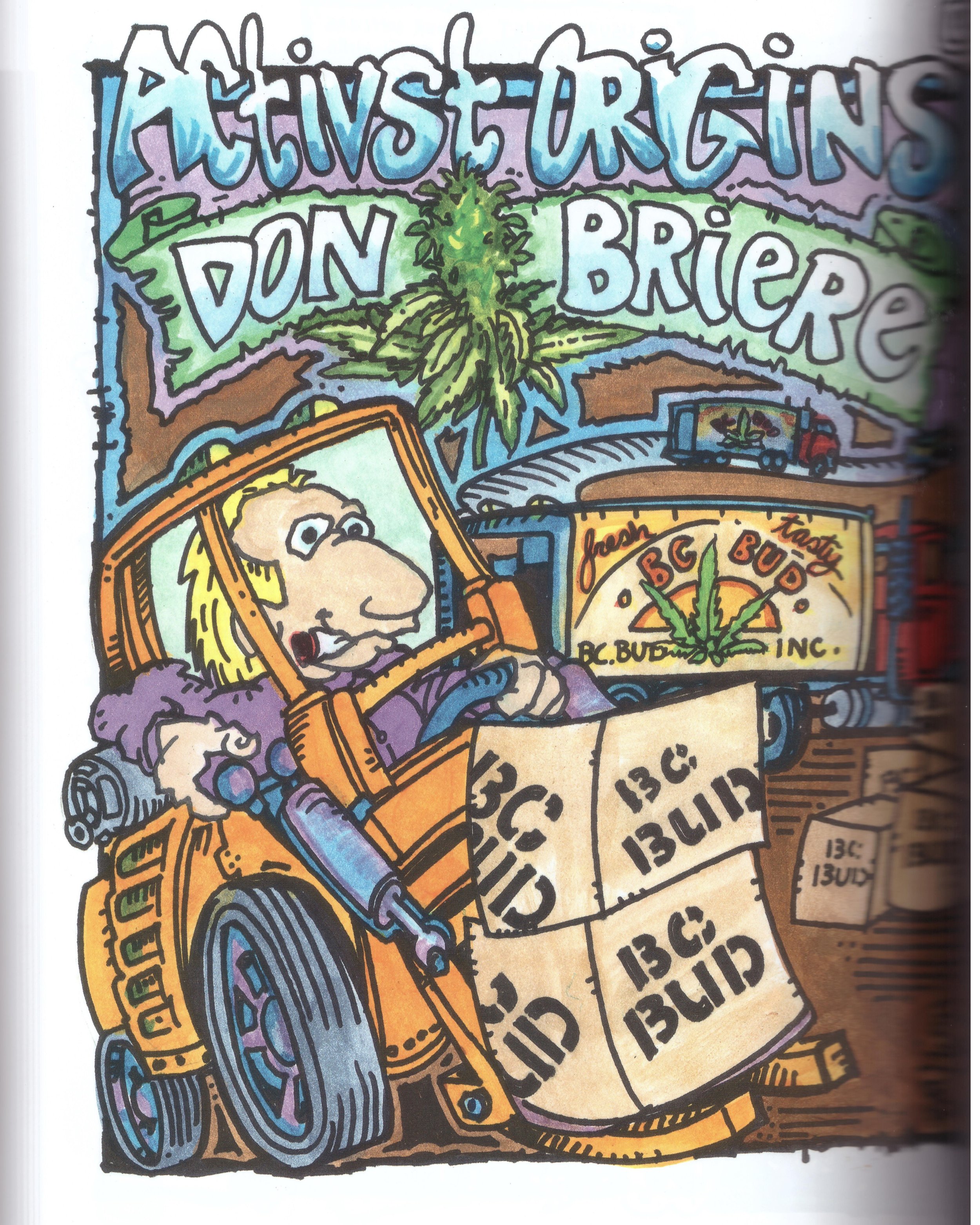
Don Briere’s activism origins as outlined in Vansterdam Comix
Don’s journey did not begin in corporate boardrooms. It began after a serious motorcycle accident ended his career in logging and forced him to rethink his future. During the 1990s, he became deeply embedded in the cannabis community as a grower. At one point, his cultivation network was described by authorities as one of the largest the RCMP had encountered.
Before Da Kine ever existed, Don was already publicly active, politically engaged, and deeply involved in community-level cannabis advocacy. As illustrated throughout Vansterdam Comix, his early years included involvement in construction, hemp research, and cannabis cultivation, alongside a growing awareness of the social consequences of prohibition. He explored hemp as a construction material, studied its industrial applications, and traveled internationally to understand how hemp and cannabis industries operated in countries where regulation differed dramatically from Canada.
Long before storefronts, Don was already a highly visible figure in British Columbia, both admired and scrutinized. Media coverage at the time described him as one of the province’s largest cannabis growers, a meticulous operator who paid workers, maintained properties, and reinvested heavily into infrastructure. Court records and newspaper reporting showed a man who saw cannabis not as chaos, but as an organized, principled operation, one he believed would never have existed in that form had legalization arrived sooner. His arrest, prosecution, and imprisonment became public symbols of a system struggling to reconcile reality with prohibition. Even while facing loss of property, prison time, and intense media attention, Don continued to speak openly about legalization, taxation, and harm reduction, arguing that regulation, not punishment, was the path forward.
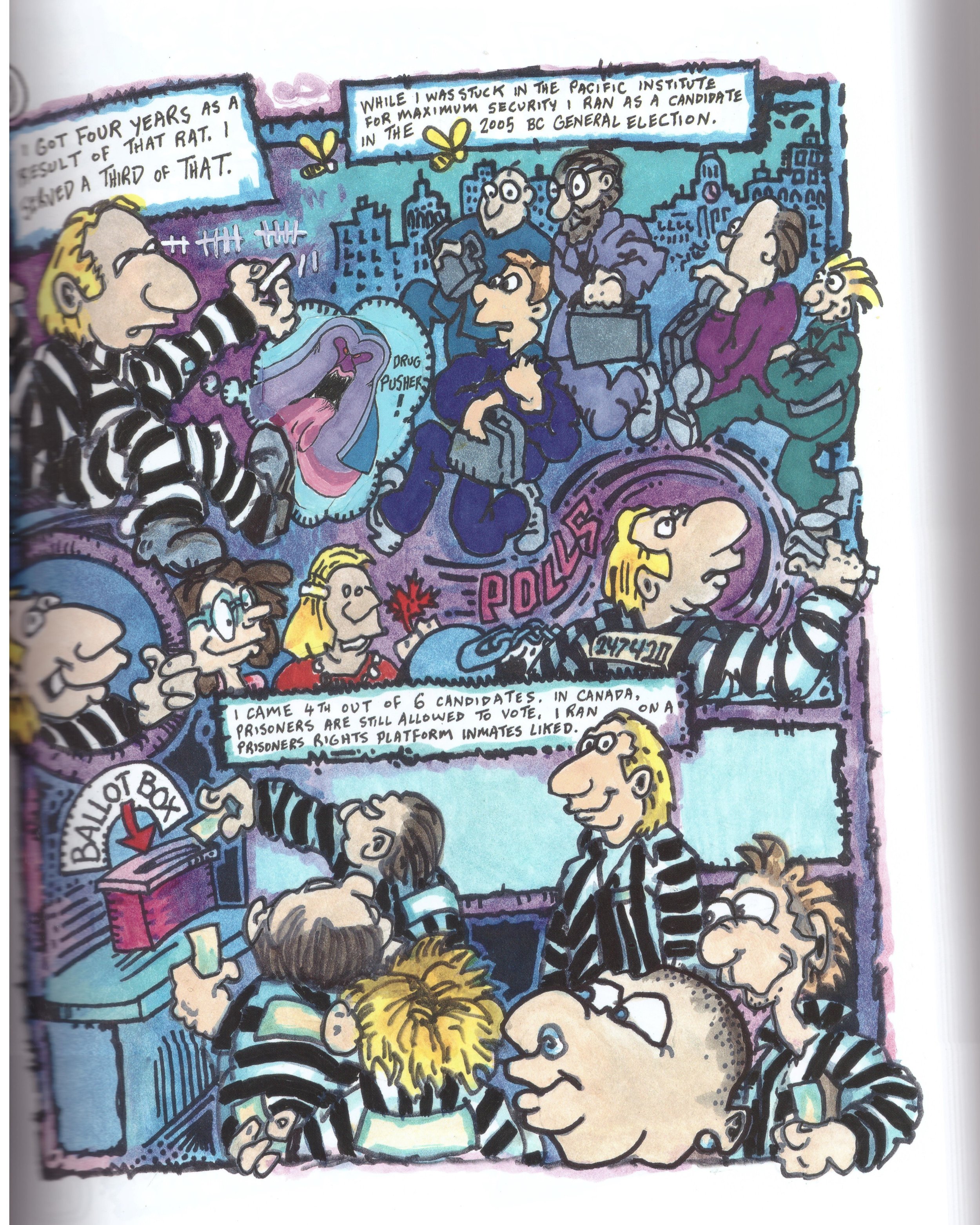
Don Briere’s political movement from prison, outlined in Vansterdam Comix
His visibility came at a cost. Don faced repeated legal pressure, surveillance, and incarceration. He served time in custody, including periods at Pacific Institution, experiences that only deepened his belief that prohibition caused more harm than the plant itself. Rather than retreating, Don used those experiences to advocate for prisoners’ rights, running as a candidate for MLA in Surrey-Tynehead under the Marijuana Party in the 2005 British Columbia general election while incarcerated, an act that underscored his belief in civic participation and accountability even under extreme circumstances.
Within activist circles and industry networks, Don’s name carried weight. The nickname “King of Cannabis” followed him long before legalization made such titles less controversial. It was not a title he claimed for himself, but one given by a community that recognized his persistence, leadership, visibility, and willingness to absorb consequences so others would not have to.
Legal trouble followed. Time was served.
But instead of retreating, Don pivoted.
He began asking a different question:
If cannabis is already everywhere, why pretend it isn’t?
That question would shape everything that followed.
Commercial Drive, A Lineup and a Statement
In 2004, alongside Carol, Don opened Da Kine Smoke & Beverage Shop at 1018 Commercial Drive in Vancouver.

Credit Cannabis In Canada - The Illustrated Series by Dana Larsen
It was not discreet.
It was not hidden.
It was deliberate.
Adults lined up openly. Cameras rolled. Police monitored. Politicians commented. Media debated. Community members protested, some for, some against.
But the storefront remained a visible statement, cannabis could exist in daylight.
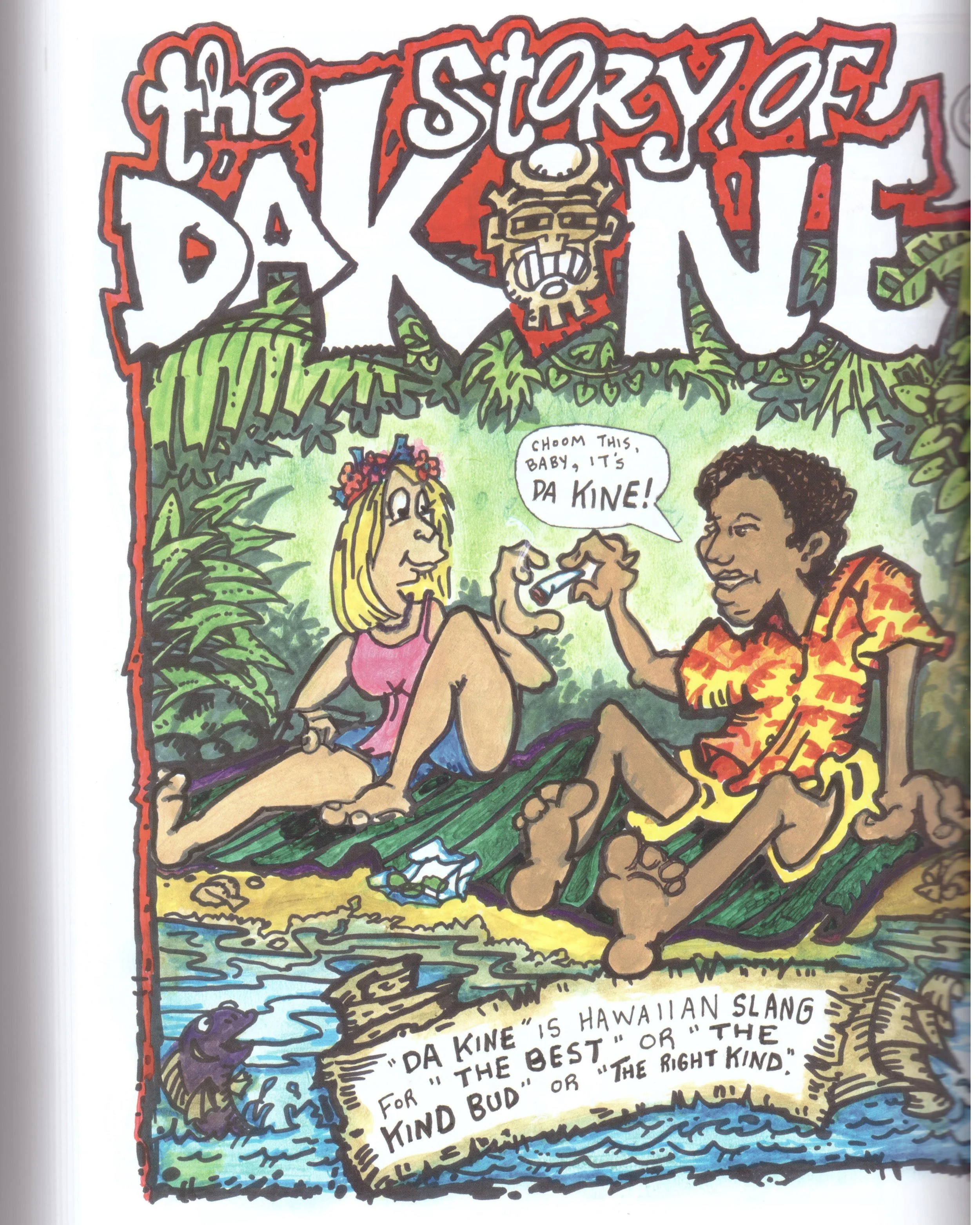
Vansterdam Comix
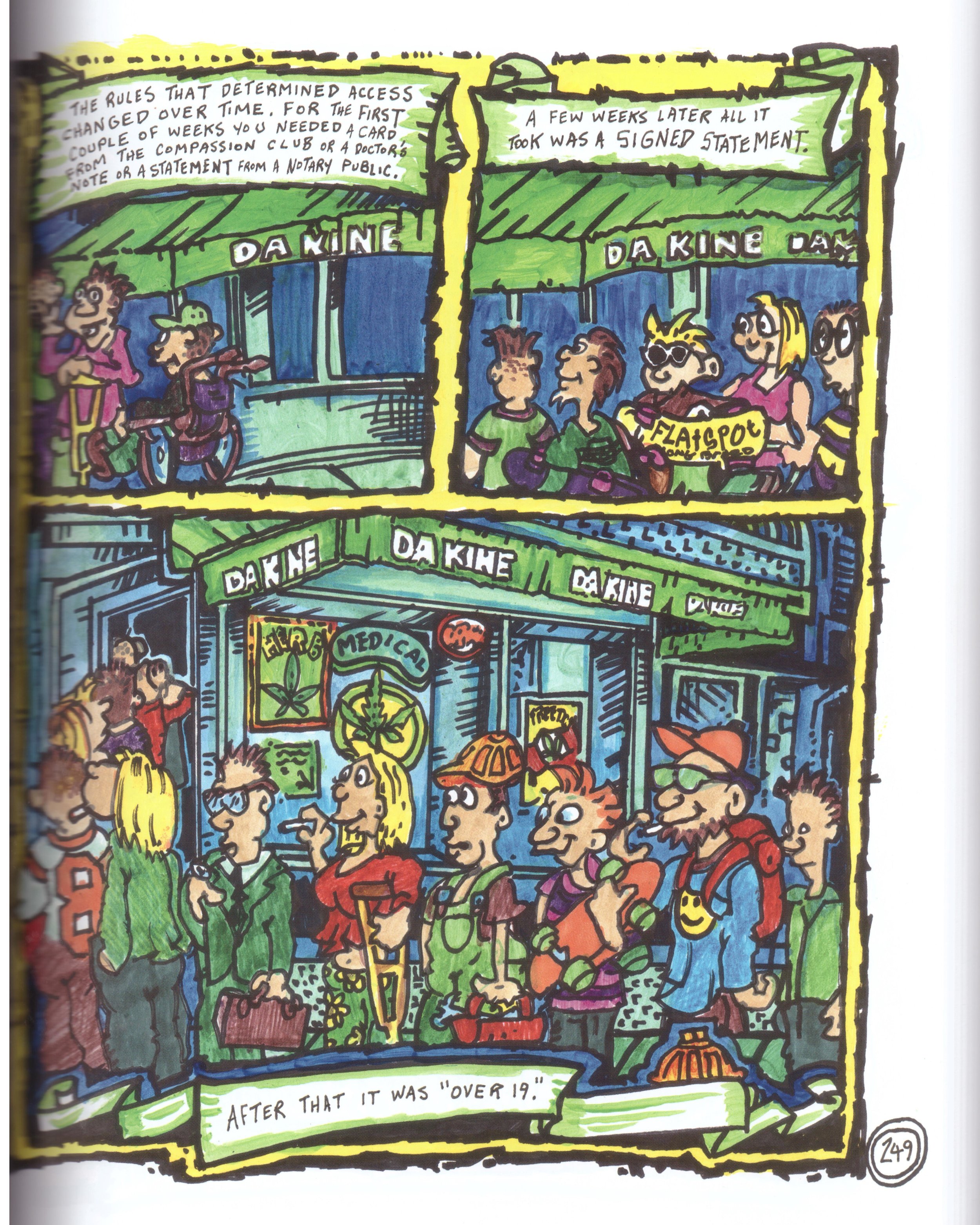
Da Kine operated from May to September 2004, until it was shut down by the government.
And let’s not forget Carol’s bravery during this time. Opening Da Kine on Commercial Drive wasn’t just a business decision, it meant standing in front of cameras, critics, and constant scrutiny. She faced protests, legal pressure, and public judgment, yet stayed steady and composed through it all.
Her strength helped hold the line during one of the most controversial moments in Vancouver’s cannabis history, and that courage is a big part of why this story exists today. Ultimately she faced 17 months in provincial jail while Don faced 30 months, but this didn’t dampen their spirit.
While Don was serving his sentence, Carol started working with the Medical Cannabis Dispensary and also managed Randy Caine’s Langley Medical Marijuana Dispensary, which was also raided after just 1 year in business.
News coverage at the time captured Don and Carol speaking openly to media, defending the storefront not as an act of defiance, but as a public service rooted in harm reduction, transparency, and accountability. They argued that forcing cannabis into the shadows created unsafe conditions, criminalized ordinary people, and denied access to those who relied on it for relief. Within just four months of opening, media across Canada and the United States caught wind of the story. Da Kine quickly became a hot topic across television, radio, newspapers, and emerging online platforms. What began as a local storefront became a national conversation, placing Don and Carol firmly on the map and intensifying public debate around cannabis access and civil liberties.
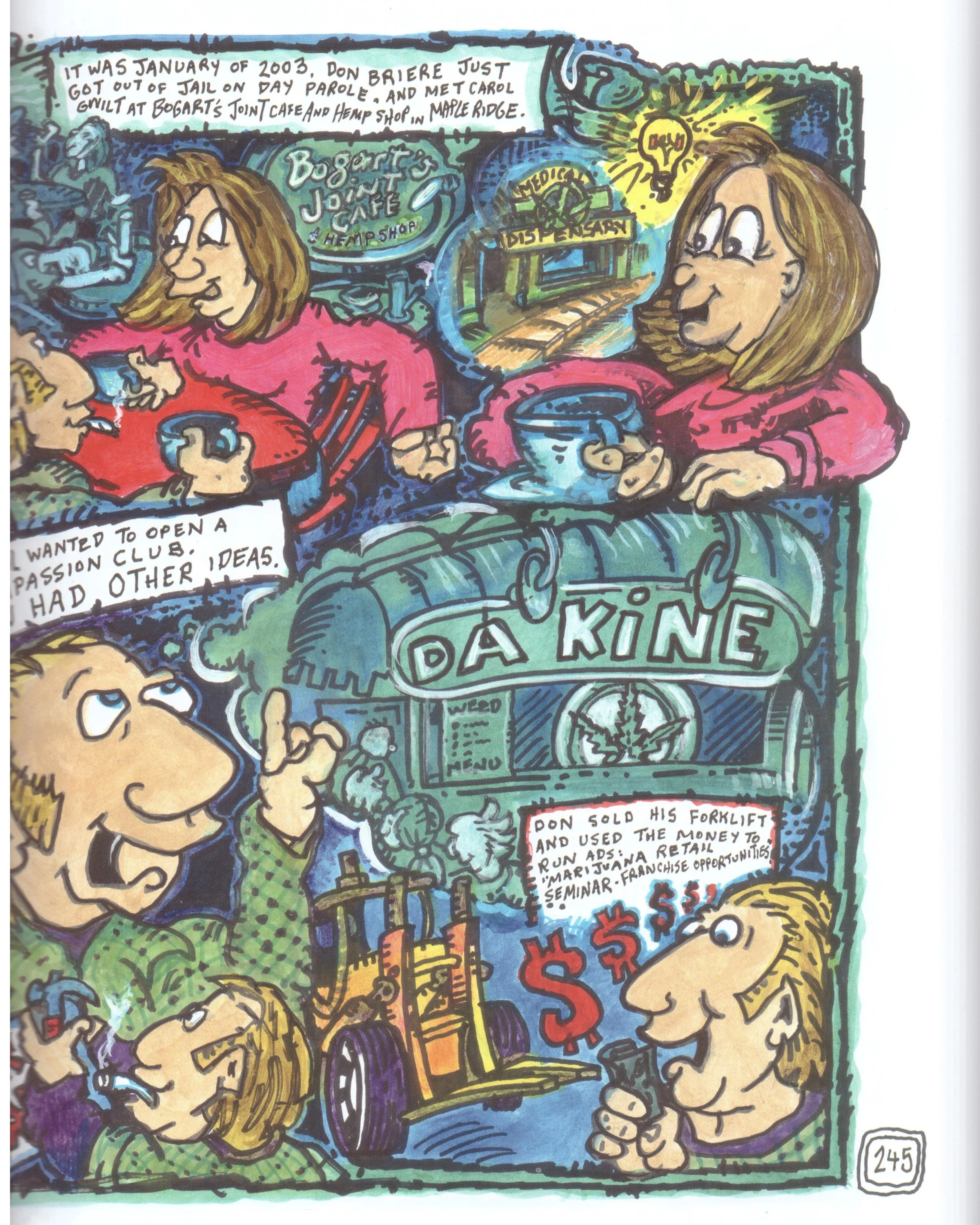
Vansterdam Comix
Coverage from outlets like Cannabis Culture documented that moment in history.

Carol making a news appearance in 2004
Da Kine was more than a retail space, it was a public challenge to prohibition and a catalyst for civic conversation. The shop became a flashpoint for debate around enforcement, access, personal liberty, and harm reduction. For some it was controversial. For others it was overdue. For the city, it was impossible to ignore.
We recently stood again at 1018 Commercial Drive.
Today it is Bombay Kitchen. People pass by without a second glance, but those who remember can still picture the lineups. The energy. The tension. The belief.
And it makes you wonder, how many remember those days?
From Activism to Enterprise
Nearly a decade later, in 2013, Don formally launched WEEDS, a dispensary network that would grow to over 40 stores across six provinces and employ more than 275 people.
It was activism evolving into enterprise. WEEDS wasn’t just expanding retail. It was expanding visibility. Cannabis was no longer an underground product, it was part of legitimate commerce, with payroll, taxes, employees, leases, and community presence.
Throughout that growth, Don and Carol maintained a consistent philosophy:
Cannabis should be accessible.
It should be affordable.
It should be treated with quality and respect.
They believed it could serve as an alternative for people seeking relief from pain, stress, or reliance on stronger pharmaceutical options. Not a miracle cure. Not a rebellion. But a choice.
For Carol, that belief was also personal. She has spoken about her own health struggles and the challenges she faced navigating traditional medical options before discovering cannabis as a source of relief and calm. That lived experience shaped her commitment to quality, consistency, and responsible access within every storefront they operated.
That belief, once controversial, now echoes inside licensed storefronts across Canada.
What Changed, And What Didn’t
Legalization arrived. Regulations were formalized. Branding became polished. Corporate players entered the field.
Today, cannabis stores compete openly across Vancouver and the Lower Mainland. It is packaged. It is taxed. It is regulated. It is normalized.
And yet, looking at the Downtown East Side, a community still grappling with addiction, poverty, and systemic challenges, an uncomfortable question lingers:
If access, education, and harm reduction models had been embraced earlier and more fully, would parts of the social landscape look different today?
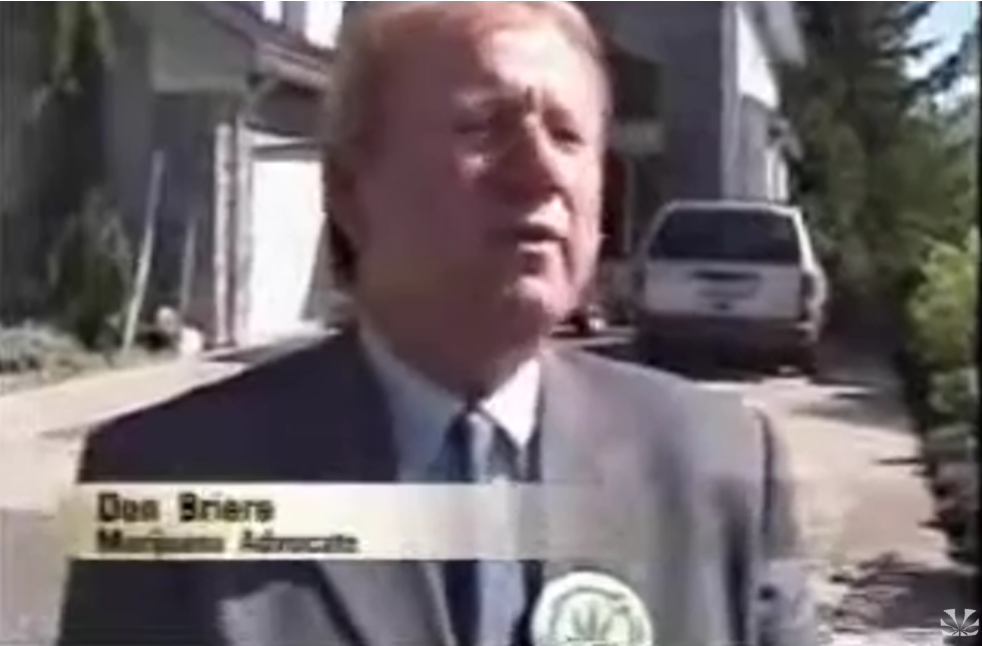
Don making a news appearance in 2004
There is no rewriting history. But there is remembering it honestly. Remembering who stood up early. Remembering who absorbed the scrutiny so that the conversation could move forward.
A 25-Year Journey to Pitt Meadows
The path from early activism to today spans more than 25 years, a journey marked by resistance, rebuilding, and reinvention. With legalization, their story did not end, but it evolved.
Today, the next chapter continues at what was formerly known as WEEDS Glass and Gifts, and is now officially operating as:
WEEDS Pitt Meadows, Farmgate Cannabis Store
WEEDS Farm & Cultivation
19038 Old Dewdney Trunk Road
Pitt Meadows, British Columbia
The WEEDS Farm Gate officially opened in June 2025 and remains open today.
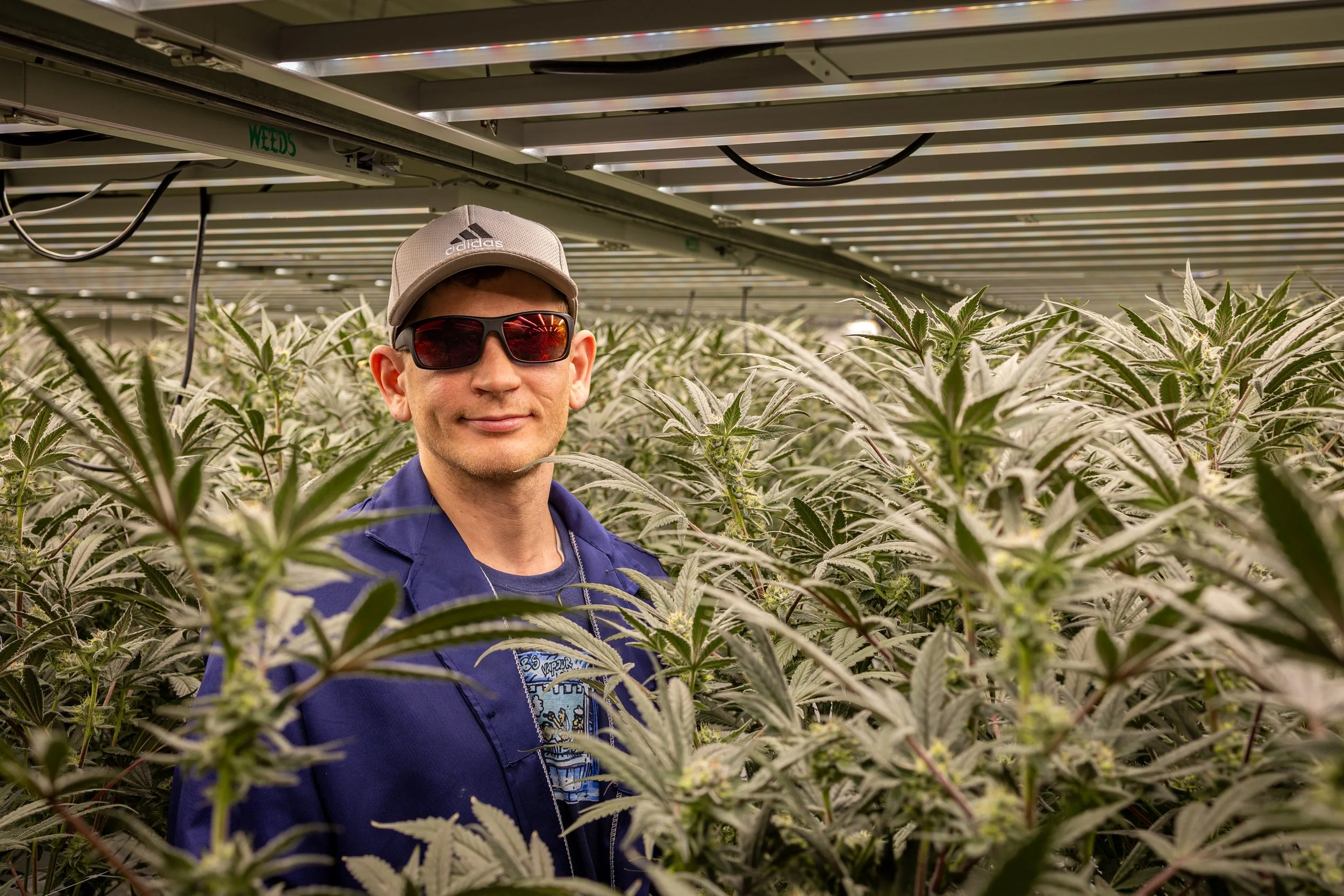
Jeremy stands among maturing plants in one of WEEDS’ cultivation rooms
Farm gate represents a model where cultivation, retail, and community connection meet at the source. It allows consumers and retailers to access the freshest possible products directly from the site where they are grown. This reduces handling, shortens supply chains, preserves terpene profiles, and creates a level of transparency rarely seen in traditional distribution models.
Soon, processing will be done in house, representing true vertical integration, cultivation, processing, and retail operating as one connected system.
During our time visiting the grow, we observed the level of care and experimentation taking place behind the scenes. The team is actively testing light positioning to understand how changes in placement may increase yield. They are working with both aeroponic and soil-based growing methods and trialing different nutrient combinations to achieve the best possible results.
As our time visiting the grow showed, we were blown away by their dedication and the absolutely amazing results coming out from their hard work with their head of cultivation Jeremy.

Don and Carol February 2026 with their award from Grow Up Conference and Expo from January 2026
Recognition, Documentation, and Legacy
In January 2026, Don and Carol received a Lifetime Achievement Award from the Grow Up Conference in Vancouver, recognizing their decades-long contribution to cannabis activism, education, and industry development in Canada.
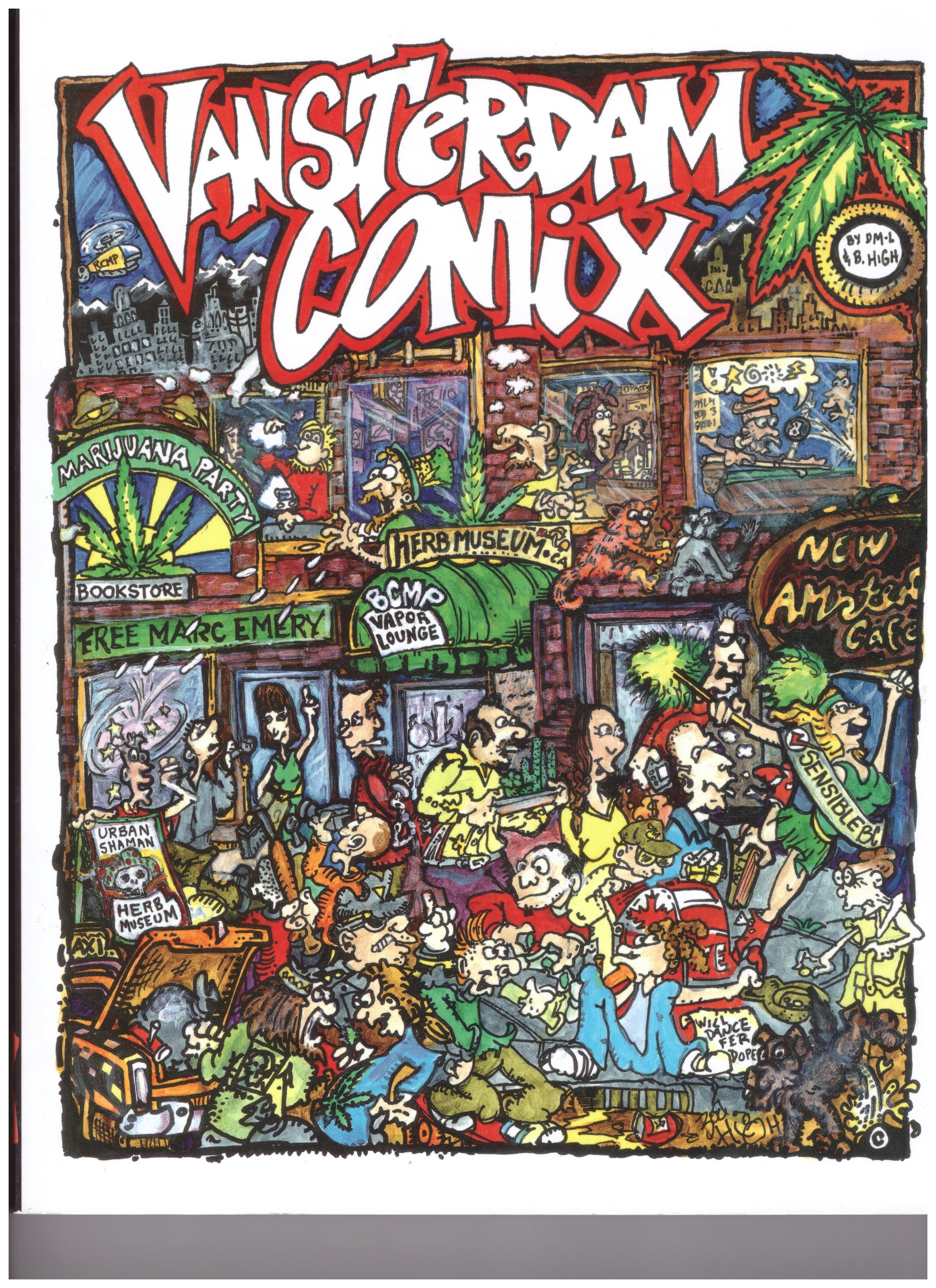
Their story is also preserved in Vansterdam Comix, published in 2018, the year of legalization. Created by David Malmo-Levine and Bob High, and published by Don Briere and WEEDS, the 420-page visual chronicle documents the era before legalization, the protests, storefronts, courtrooms, debates, and community voices that shaped modern cannabis culture in Canada. (Available for purchase at WEEDS Farmgate.)
After years of work were lost to fire, the project was rebuilt and published, a testament to resilience and belief. In addition to cultivating craft cannabis, Don and Carol commissioned Vancouver Artist Bob High to create original pieces to reflect the history, humour, and evolution of Cannabis Culture in British Columbia. Visitors to the Pitt Meadows shop can now view Bob High’s artwork on display, making the space not only a retail location, but a living gallery of the movement’s artistic legacy. You can read Don and Carol’s story on Vansterdam Comix pages 190-200 and 244-264 in the book.
Today, the story is now more grounded. Less combative. But the philosophy remains consistent.
They invite visitors not just to shop, but to talk. To reflect. To understand where the industry came from before it became mainstream.
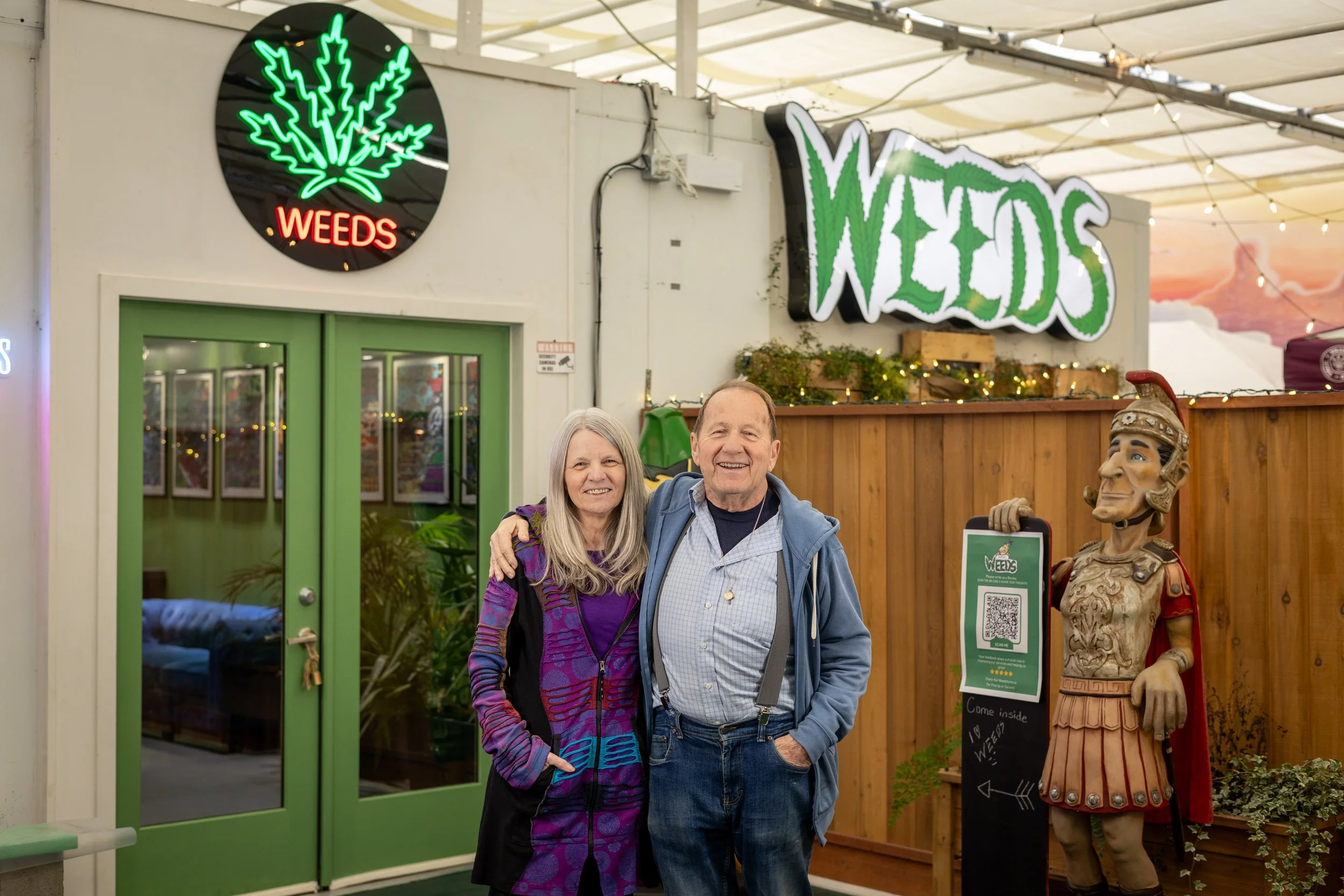
Don and Carol in front of their store at WEEDS Farmgate
For longtime supporters, it’s a chance to reconnect.
For newcomers, it’s an opportunity to meet the people behind decades of headlines.
For younger generations, it’s living history.
Then, Now, and What It Means Today
In a time when cannabis marketing is sleek and normalized, it’s easy to forget the human cost of early visibility.
Don and Carol were not waiting for permission.
They were building in real time.
They were absorbing scrutiny so others could eventually walk in freely.
Their legacy is not about winning an argument. It is about persistence. It is about believing in something long before the system catches up.
And today, as visitors walk into a legal farm-gate shop in Pitt Meadows, they are not just stepping into a store.
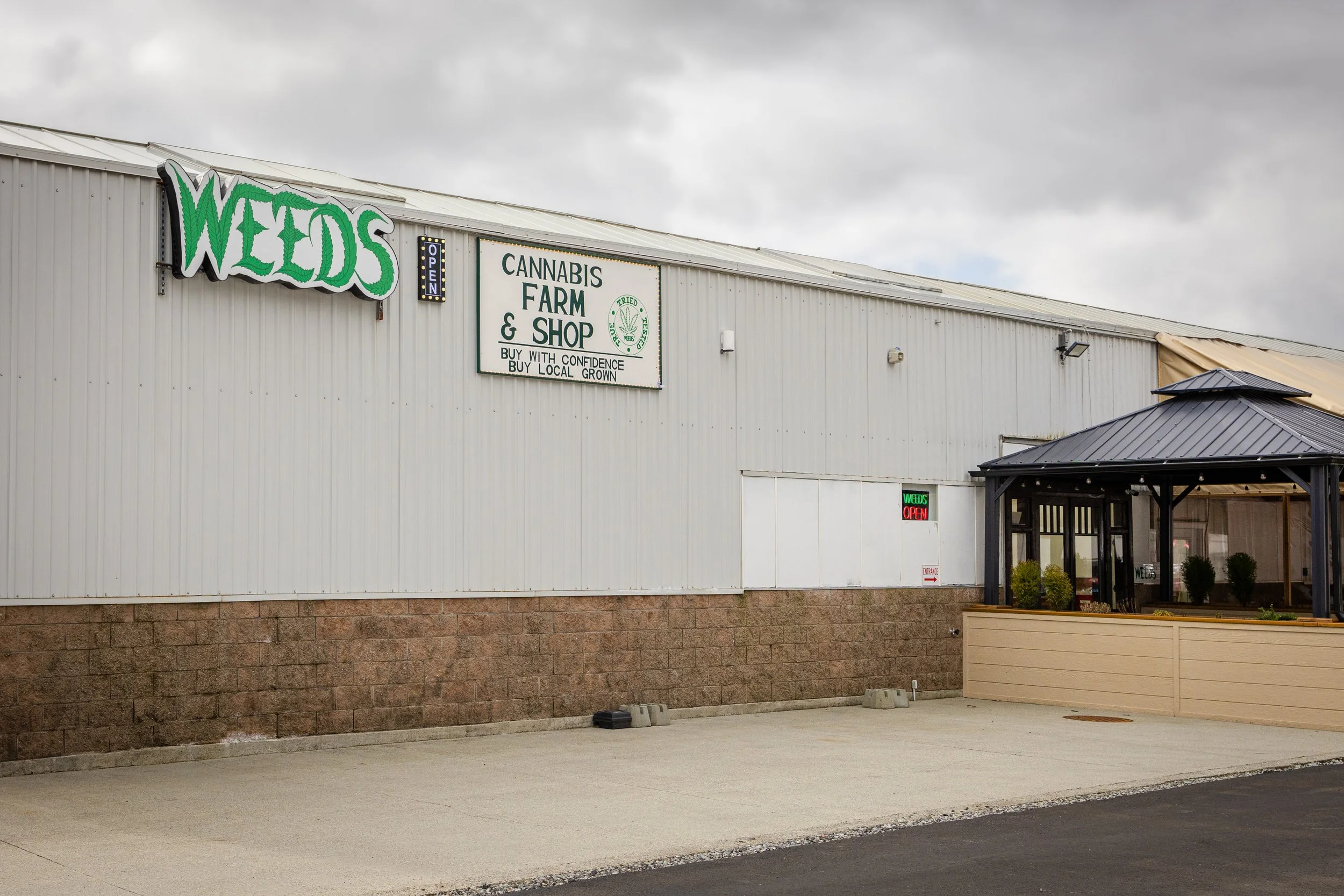
WEEDS Farmgate February 2026
They are stepping into a story that helped reshape a country.
Today’s Realities for Legal Operators
While legal cannabis is a big win for many, it may not look like how pioneers like Don and Carol envisioned it. Burdened by heavy taxes, red tape, and regulation, the plant may not be as free as they once hoped it could be.
Quoted from Jaclynn Pehota, former Executive Director of the Licensed Retail Cannabis Council of BC: "Medical cannabis pioneers like Don and Carol spent decades fighting the injustice of prohibition. They held the line and provided thousands of patients with access to the medicine they chose.
When the government reversed course on the failed policy of prohibition, the folks at WEEDS did what legalization asked of them. They entered regulation and applied for and received licences. Their reward for the hard-won path to legal cannabis? A crushing tax burden and endless bureaucracy. The people who paved the way for both medical cannabis patients and a legal recreational cannabis market have been pushed aside, their critical work forgotten. They survived police raids, but watching legacy operations that laid the foundation for legal cannabis in Canada suffocate under regulation is truly heartbreaking."
A word from Carol, March 3 2026:
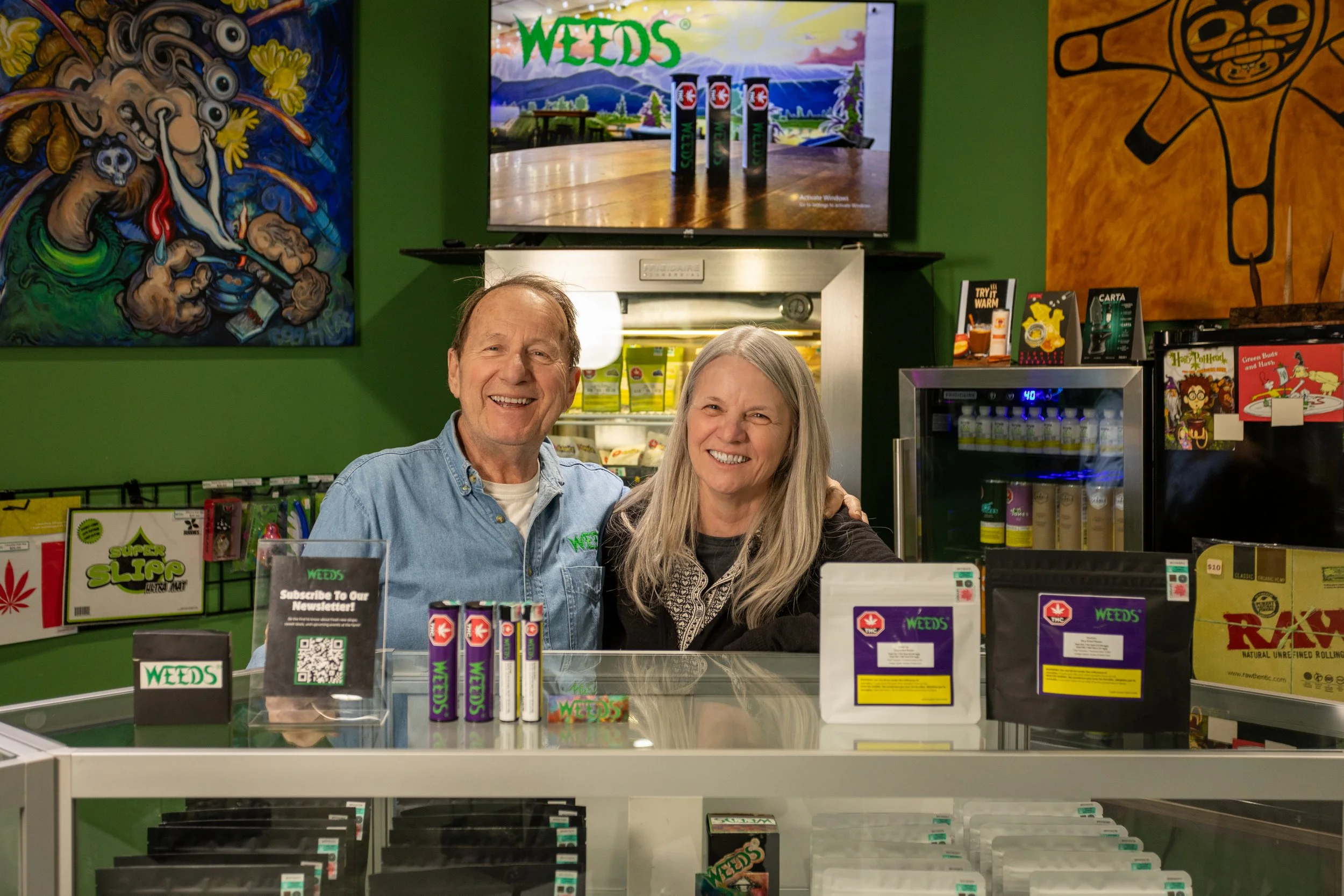
Don and Carol in their WEEDS Farmgate Store
“My original plan was to set up Vancouver's second "compassion club." I had recently discovered there were many different strains that have different effects and the strain called (Hashplant) proved to be very medicinal for me. I felt compelled to help others get access to clean and affordable Cannabis and that is when I met Don Briere. Within a year we were working together at getting the Da Kine shop open. We started as a compassion club type model, however it proved difficult for our patrons to get doctor approval so we soon dropped any requirements for membership and we started selling to people over 19.
The Downtown East Side's biggest problem has always been neglect and a lack of affordable and supportive housing. Over the last 20 years we lost so many thousands of souls to drug poisoning and lack of treatment options. The City of Vancouver needs to continue tearing down the barriers to people having a safe place to live.
In 2017, Neil Magnusun started a harm reduction initiative called The Cannabis Substitution Project. He offered those living addicted on the streets free or almost free high-dose edibles. Weeds was the primary donator to the project allowing people to have a steady supply and a safer choice.
The industry is very over-regulated and over consumerized. Too much fancy packaging and too little high-quality products that people would want. The edible restrictions will always propel the grey market.
We applied for a legal retail licence and then waited 29 months to receive it, all the while paying rent on an unaffordable store location in Vancouver.
Luckily, we now have a farm-gate model that allows us to grow, innovate, and sell our products direct to consumer through our store. It would be difficult to play the long game with just a retail licence.
We have always been big supporters of Bob High and his artwork. It was a win-win situation to have him paint works that support our brand and our culture. [Many of which are on display at the Farmgate location in Pitt Meadows]
It was wonderful to be recognized with a Lifetime Achievement Award in January 2026. Don and I paid a huge price to get to this point and we are happy to be rocking and rolling with 3 generations working at our Cannabis farm.
Anyone my age would have said legalization will never happen in our lifetime. 14 years after the Da Kine saga, Canada legalized. It was not perfect by any measure but I am happy I can get to help people to access a product I believe in whole-heartedly.”
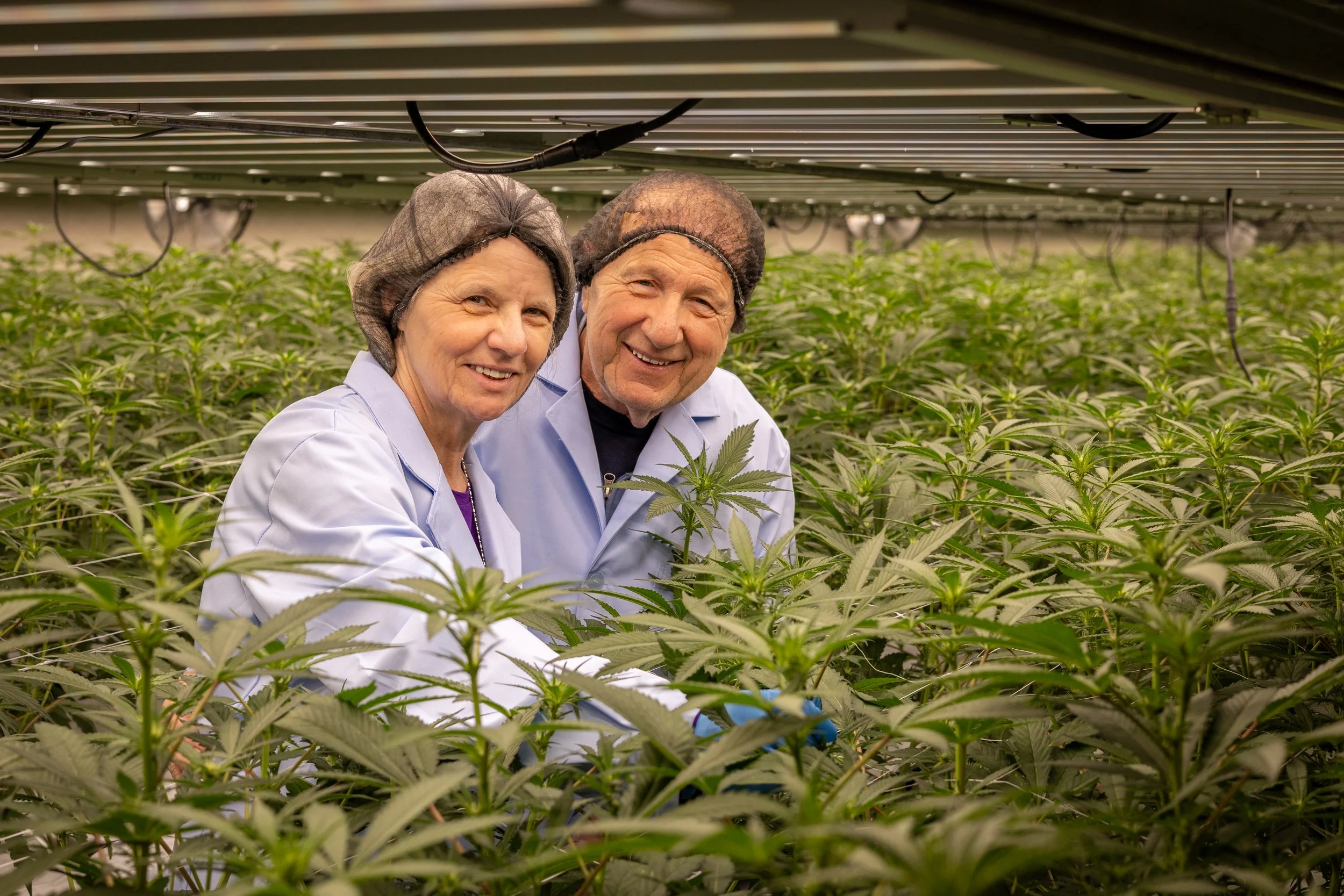
Carol and Don in one of their cultivation rooms at WEEDS in Pitt Meadows.
Here is a breakdown of just how much margin the government takes from each sale of cannabis down the supply chain:
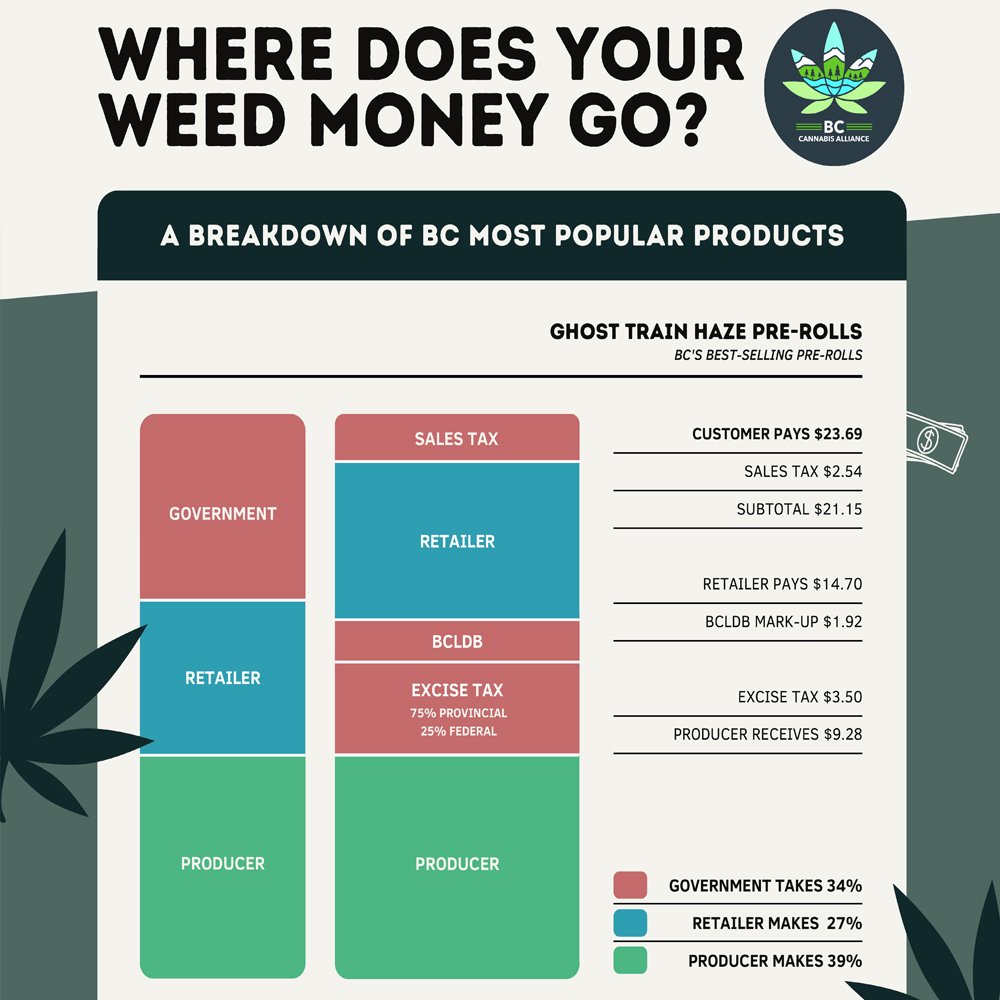
Credit: BC Cannabis Alliance
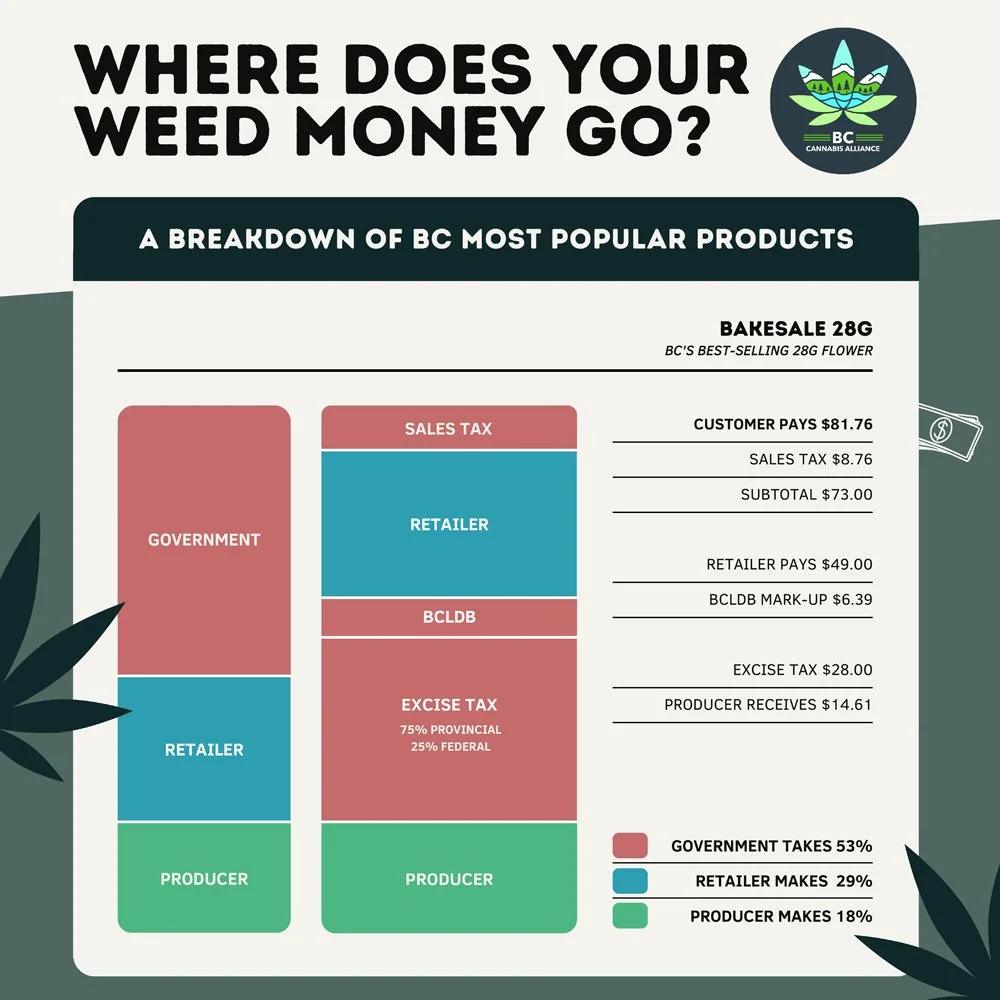
Credit: BC Cannabis Alliance
If you are interested in helping reduce over-regulation, taxes, and red tape, please write to your MP and MLA to voice your concerns. The more people that write letters, the more we will be heard.